May 7, 2026
Venturing into the world of aquatic home improvements represents a significant milestone for any property owner. The decision to install a permanent vessel for recreation and exercise is often driven by a desire for long-term value and aesthetic brilliance. Among the various materials available, the concrete pool stands out as the premier choice for those seeking complete creative control over their backyard landscape. This material offers a level of permanence and architectural flexibility that alternative options simply cannot match, allowing for deep ends, custom tanning ledges, and integrated rock features that blend seamlessly with the natural environment.
Owning a high-end aquatic installation involves more than just selecting a beautiful tile pattern or a refreshing water temperature. It requires an understanding of the structural integrity, maintenance cycles, and financial commitments necessary to keep the water crystal clear and the foundation sound. As the industry evolves, the sophistication of these structures continues to grow, attracting homeowners who view their outdoor spaces as essential sanctuaries for relaxation and social gathering.
1. Evaluate the Structural Durability of Gunite
The primary appeal of a concrete pool lies in its legendary lifespan. Unlike vinyl liners that might tear or fiberglass shells that could potentially crack under extreme ground pressure, a reinforced masonry structure is built to last for many decades. The construction process involves a complex web of steel rebar covered by a high-pressure application of a cement and sand mixture. This creates a monolithic shell that becomes an actual part of the earth, capable of withstanding the natural shifts and pressures of the soil.
Longevity is not merely a theoretical benefit; it translates to a higher resale value for the residence. Prospective buyers recognize the inherent worth of a permanent structure that does not require frequent shell replacements. To ensure this durability remains intact, homeowners should consider several factors:
- The quality of the initial soil compaction and site preparation.
- The thickness of the steel reinforcement grid within the walls.
- The application technique used by the masonry professionals.
- The curing time allowed before the interior finish is applied.
2. Customize the Architectural Design Limits
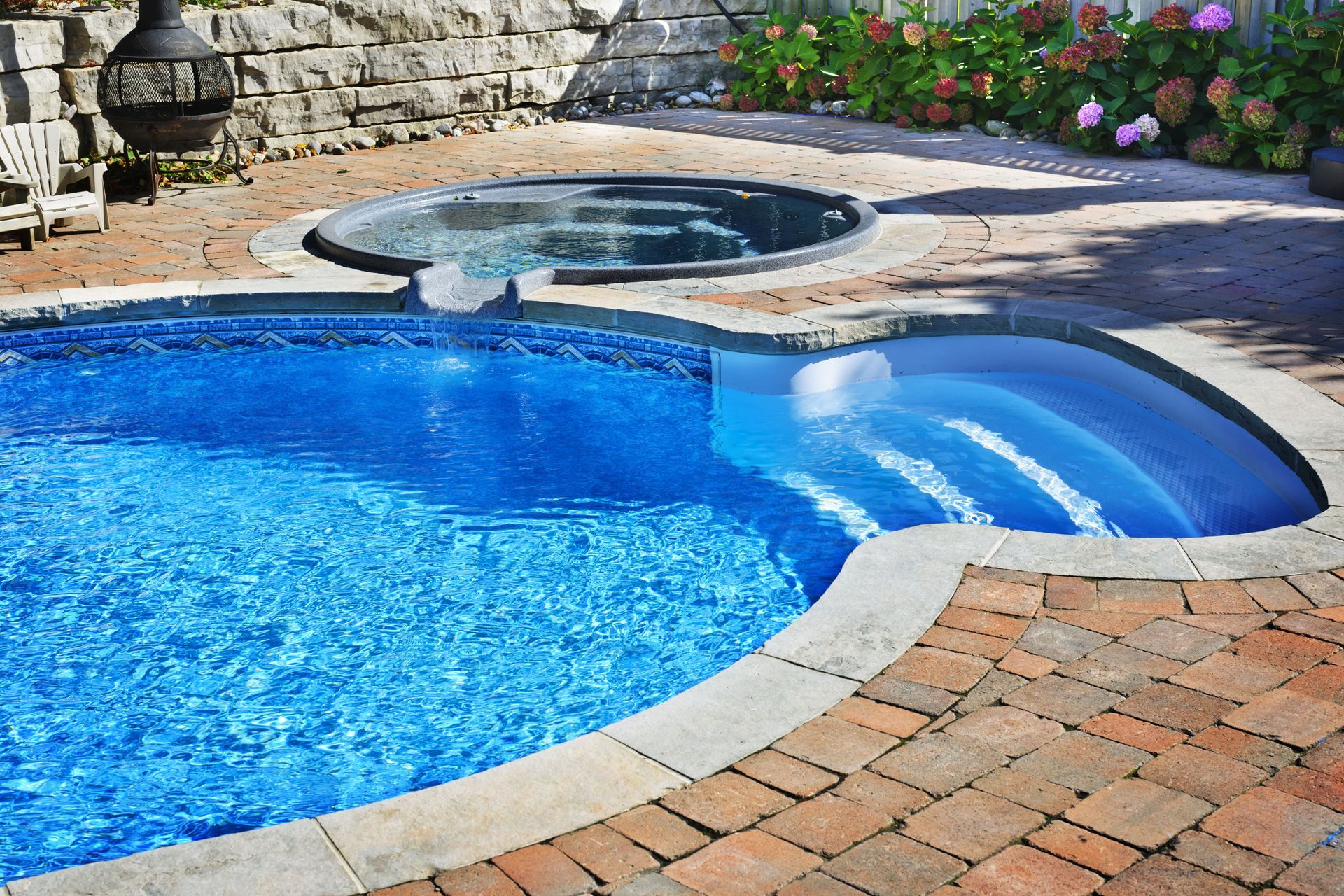
If you can dream of a shape, you can build it. This is the mantra of the custom concrete pool industry. While other materials are often restricted to factory-made molds and specific dimensions, masonry allows for a truly bespoke experience. This flexibility is vital for properties with irregular dimensions or homeowners who have a very specific artistic vision. From Grecian silhouettes to freeform lagoons that mimic mountain streams, the possibilities are infinite.
Beyond the shape of the perimeter, the interior topography of the basin is also fully customizable. Many modern designs incorporate features such as:
- Beach entries that allow swimmers to walk gradually into the water.
- Deep diving wells that exceed standard depths for safety and sport.
- Built-in underwater benches and bar stools for social interaction.
- Vanishing edges that create a stunning visual overflow effect.
3. Understand the Interior Resurfacing Requirements
Every concrete pool eventually requires a cosmetic update to keep its surface smooth and waterproof. The interior finish, whether it is standard plaster, aggregate pebble, or exquisite glass tile, is the first line of defense against chemical erosion and water pressure. Over time, the constant exposure to sanitizers and shifting pH levels will cause traditional plaster to become rough or stained. Homeowners should plan for a resurfacing project approximately every ten to fifteen years to maintain the luxury feel and structural health of the vessel.
Choosing the right material for this renewal is a critical decision. Pebble finishes have gained immense popularity because they offer a more natural look and boast a significantly longer lifespan than basic white plaster. These aggregate surfaces are more resistant to chemical fluctuations and provide a non-slip texture that many find safer for children and elderly guests. While the upfront cost for high-end finishes is higher, the extended interval between renovations makes them a wise investment.
4. Manage the Chemical Balance Vigilantly
Because the walls of a concrete pool are porous by nature, they have a direct impact on the chemistry of the water. The alkaline nature of the cement can cause the pH level to rise steadily if left unchecked. This requires a diligent testing schedule to prevent calcium scaling or the growth of stubborn algae within the pores of the plaster. Maintaining a perfect equilibrium is essential not only for the comfort of the swimmers but also for the preservation of the equipment and the interior finish.
According to IBIS World, the U.S. Swimming Pool Cleaning Services industry is a $7.2 billion market in 2025. This massive valuation highlights how many homeowners prefer to delegate the technical aspects of water chemistry to trained professionals. Expert technicians possess the specialized tools and chemical knowledge to ensure the water remains safe and the surfaces remain pristine throughout the varying seasons.
5. Recognize the Thermal Retention Properties
The sheer mass of a concrete pool acts as a thermal battery for the backyard. During the heat of the day, the thick walls and floor absorb the warmth of the sun, which can help regulate the water temperature during cooler evenings. However, this same mass means that heating the water from a cold state requires more energy and time compared to a thin fiberglass shell. Homeowners in cooler climates often invest in high-efficiency heat pumps or solar arrays to offset these requirements.
Thermal management is a significant part of the operational strategy. By utilizing automated covers, owners can trap the heat during the night and significantly reduce evaporation. This not only keeps the water at a comfortable temperature for morning laps but also reduces the frequency of water refills and chemical additions. Understanding the relationship between the masonry mass and the ambient air temperature is key to enjoying a long and comfortable swimming season.
6. Anticipate the Total Investment Cost
The financial reality of building a concrete pool is that it represents the highest tier of backyard investments. The intensive labor involved in excavation, steel tying, plumbing installation, and masonry application drives the initial price upward. Furthermore, because these projects are built on-site over the course of several months, they require significant project management and coordination with local permitting offices.
However, the long-term perspective reveals a different story. A concrete pool is often the only type of aquatic installation that adds significant appraised value to a home. It is viewed as a permanent improvement rather than a temporary amenity. When you factor in the customization options and the extreme durability of the shell, the price per year of enjoyment often becomes very competitive. Proper budgeting should include the initial construction, the monthly utility costs, and a small reserve fund for the eventual resurfacing.
Selecting a concrete pool is a statement of intent to create a lasting legacy for your family and friends. It serves as a focal point for summer celebrations, a private gym for early morning workouts, and a tranquil escape from the stresses of daily life. By understanding the responsibilities and benefits associated with this premium choice, you can ensure that your backyard oasis remains a source of pride and joy for generations to come. If you are ready to transform your outdoor space into a masterfully crafted retreat, reach out to our experts at Maverick Pools today to begin your journey.